
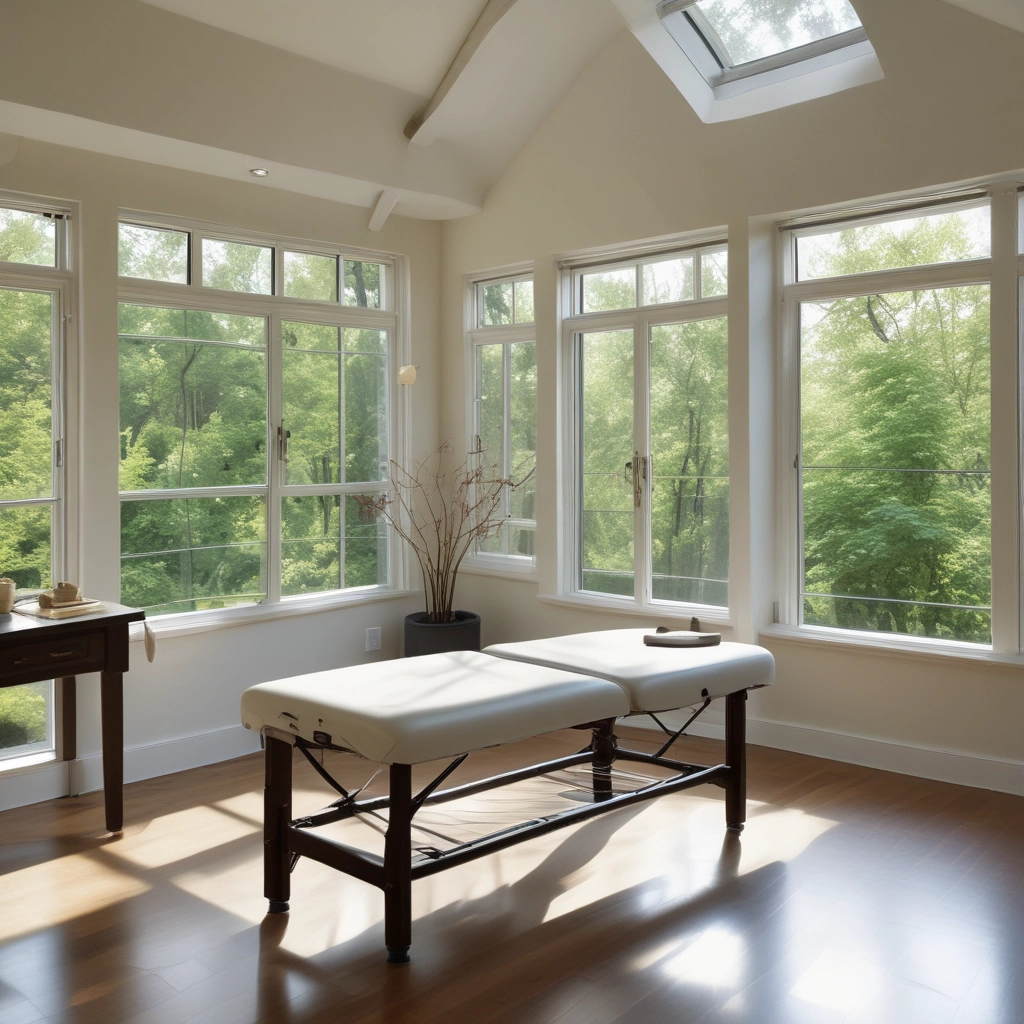
If you’ve been putting off physical therapy because the logistics feel like too much — the driving, the waiting, the being passed from person to person — in-home physical therapy might change your mind. What to expect from in-home physical therapy is actually pretty simple: a licensed doctor of physical therapy comes to your home, works with you one-on-one for the full session, and builds a plan around your actual life. No commute, no waiting room, no rushing.
That said, if you’ve only ever experienced traditional outpatient PT, the in-home model can feel a little unfamiliar at first. Here’s a clear picture of how it works, from your first phone call through your first session and beyond.
Why In-Home PT Is Different From a Traditional PT Setting
At a typical outpatient PT practice, you’ll often see a different person each visit, spend part of your session with a PT aide or tech, and share the space with several other patients going through their own exercises. That’s not a knock on those providers — it’s just how the model works.
In-home physical therapy flips that experience. Dr. Niko Dobbs, DPT, OCS comes directly to your home in Pasadena or the surrounding San Gabriel Valley, and you get his undivided attention for every minute of every session. There’s no handoff. The same doctor who evaluates you on day one is the same one guiding your recovery six weeks later.
For people recovering from surgery, managing a chronic condition, or simply dealing with a busy schedule, this consistency makes a real difference. You’re not re-explaining your history at every visit, and your PT is able to pick up exactly where you left off.
Before Your First Session
Getting started is straightforward. Here’s the typical sequence:
Step 1: A free intro call. Before booking, you’ll have a brief phone or video call with Dr. Dobbs. This is your chance to describe what’s going on, ask questions, and get a sense of whether in-home PT is the right fit. There’s no pressure and no commitment.
Step 2: A short intake form. You’ll fill out some basic information about your health history, current symptoms, and goals. This helps Dr. Dobbs prepare for your evaluation so you’re not starting from scratch when he arrives.
Step 3: Scheduling at your convenience. Appointments are available in the evenings and on weekends, not just during traditional business hours. You pick the time that works for your life.
What to have ready at home: You don’t need any special equipment. For most evaluations, a small open area (living room floor works great), comfortable clothes you can move in, and any relevant medical records or imaging (like post-surgical notes or X-ray results) are all you need. Dr. Dobbs brings any tools required for the session.
What Happens During the First Session
The first visit is an evaluation, and it sets the foundation for everything that follows. Here’s what that typically looks like:
The Conversation
Dr. Dobbs will spend time understanding your history: how long you’ve had the issue, what makes it better or worse, what your daily life looks like, and what you’re hoping to get back to. This isn’t just paperwork formality. The more context he has, the more precisely he can target your treatment.
The Physical Assessment
Depending on your situation, the assessment might include range-of-motion testing, strength assessments, postural observation, balance or movement screens, and hands-on evaluation of the affected area. It’s a thorough look at what’s happening and why.
Hands-On Treatment Often Starts in Session One
Unlike some PT settings where the first visit is purely assessment, many patients receive some hands-on treatment during the initial evaluation. Dr. Dobbs holds dual credentials as both a physical therapist and massage therapist, so manual therapy, soft tissue work, or therapeutic massage can be incorporated right from the start when appropriate.
Your Initial Plan
By the end of session one, you’ll have a clear picture of what Dr. Dobbs found, what the treatment plan looks like, and what to expect over the coming weeks. You won’t leave with vague instructions — you’ll know exactly what you’re working on and why.
Every case is different — talk to your provider about what’s right for you.
Your Plan After the Session
In-home PT isn’t just about what happens during the hour Dr. Dobbs is at your home. The work continues between visits.
Most patients receive a home exercise program: a small set of targeted exercises to do on your own, designed to build on what you worked on in-session. These aren’t generic routines — they’re specific to your body, your goals, and what you’re capable of right now. The program evolves as you improve.
You’ll also have a clear sense of how frequently to schedule sessions. Some patients benefit from twice-weekly visits early in recovery; others do well with weekly sessions and consistent home work. Dr. Dobbs will recommend a frequency that makes sense for your situation and your schedule.
Who Benefits Most from In-Home Physical Therapy
In-home PT is a strong fit for a wide range of people. It tends to work especially well for:
Post-surgical patients. Recovering from a knee replacement, hip replacement, rotator cuff repair, or spinal surgery often means limited mobility in the early weeks. Getting into a car and traveling multiple times a week can be genuinely difficult. Having your PT come to you removes that barrier entirely and often allows recovery to start sooner.
Older adults. For patients in Arcadia, Altadena, San Marino, or elsewhere in the San Gabriel Valley who no longer drive or find travel exhausting, in-home care means consistent access to high-quality treatment without relying on others for rides.
Busy professionals and parents. When your schedule doesn’t have room for 90-minute round trips three times a week, in-home PT keeps your recovery on track without requiring you to reorganize your entire day.
Athletes. Recovering from a sports injury in your home environment means Dr. Dobbs can assess the actual space where you train, stretch, or work out — and tailor your program accordingly.
Anyone who values continuity. If you’ve had frustrating experiences being shuffled between providers, the one-on-one model is a meaningful upgrade.
Book a Free Intro Call
The best way to find out if in-home PT is right for you is to have a five-minute conversation. Dr. Niko Dobbs offers a free intro call to anyone in Pasadena and the surrounding San Gabriel Valley area — no commitment required, just an honest conversation about where you are and where you want to be.
Book your free intro call or call (626) 808-4273 to get started.